
Common Ink Cap (Coprinopsis atramentaria)
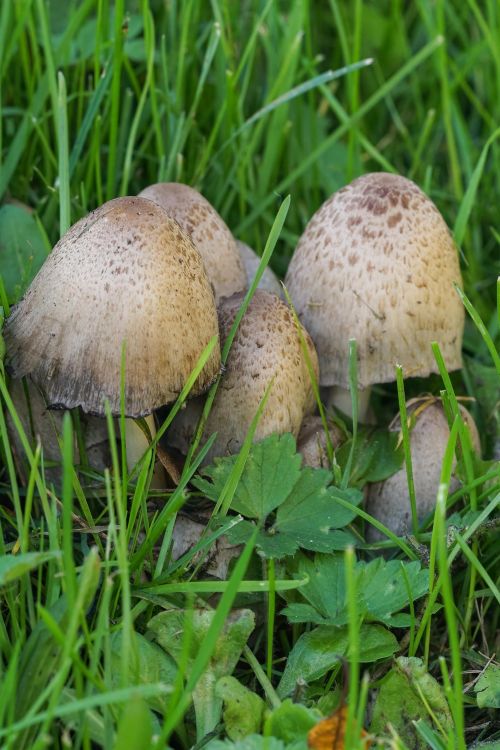


The Common Ink Cap (Coprinopsis atramentaria) is a widespread mushroom found throughout the UK, often growing in clusters on lawns, parkland, roadside verges and disturbed ground. It typically appears from spring through autumn and is especially common after rain. Like other ink caps, it undergoes a process called deliquescence, where the gills dissolve into a black, inky liquid as the mushroom matures. This gives the group its name and makes older specimens easy to recognise.
Although sometimes listed as edible when young, the Common Ink Cap is considered unsafe because it contains a compound called coprine which reacts dangerously with alcohol. If alcohol is consumed up to several days before or after eating this mushroom, it can cause unpleasant and sometimes severe symptoms. Because of this alcohol reaction and its similarity to other ink cap species, many modern field guides recommend avoiding it altogether.
Identification Features:
- Cap colour grey to grey-brown
- Cap surface smooth with faint vertical striations
- Cap starts egg-shaped, becoming bell-shaped
- Cap margin splits and dissolves into black ink with age
- Gills start pale, turning grey, then black and liquid
- Stem is white, smooth and hollow
- Ring may be faint or absent
- No volva present
- Flesh thin and fragile
- Grows in clusters or groups
- Often found on:
- Lawns
- Parks
- Road verges
- Compost-rich soil
- Fruits spring through autumn
Foraging Safety:
- Contains coprine
- Causes severe reaction when combined with alcohol
- Symptoms may include:
- Flushing
- Rapid heartbeat
- Nausea
- Vomiting
- Headache
- Alcohol must be avoided for several days before and after eating
- Frequently confused with:
- Key difference:
- Shaggy Ink Cap has tall white shaggy cap
- Common Ink Cap has smooth grey cap
- Because of alcohol interaction risk:
- Many guides recommend not eating it
- Cooking does NOT remove coprine
- If reaction occurs:
- Seek medical advice
- Best practice:
- Avoid consumption
- Photograph and leave
Identification video:
Mushroom Quiz 🍄
Question goes here