
Button / Chestnut Mushroom (Agaricus bisporus)
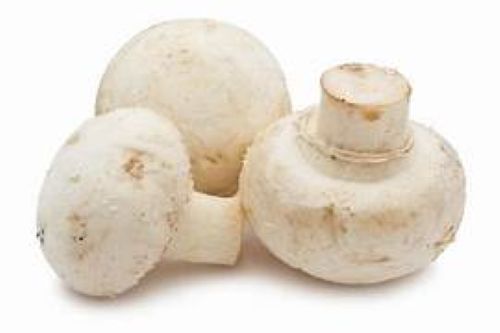
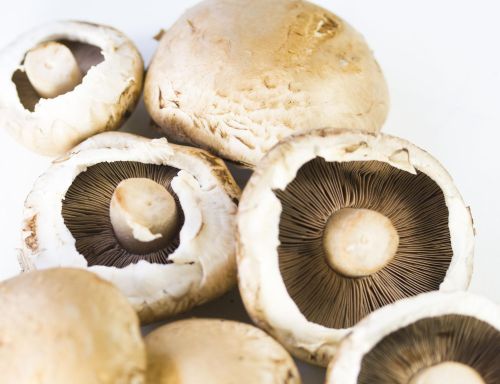
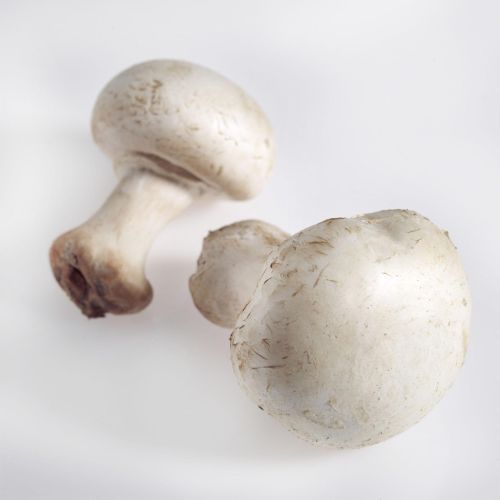
The Button Mushroom and Chestnut Mushroom are two growth stages of the same species, Agaricus bisporus, and are the most widely cultivated mushrooms in the UK and worldwide. Button mushrooms are harvested young while the caps are still closed, whereas chestnut mushrooms are allowed to mature slightly, developing a brown cap and deeper flavour. This species is also sold as flat or portobello mushrooms when fully grown. Because they are cultivated under controlled conditions, they are considered one of the safest and most familiar edible mushrooms.
Although Agaricus bisporus is rarely foraged wild in the UK, understanding its features is important for identification and safety. Wild Agaricus species can look similar, and some are poisonous, so foragers must never assume that a wild mushroom resembling a shop mushroom is safe to eat. Cultivated button and chestnut mushrooms have a mild, pleasant flavour and versatile texture, making them a staple ingredient in many cuisines.
Identification Features:
- Cap colour:
- Button: white to off-white
- Chestnut: light to dark brown
- Cap surface smooth and rounded
- Cap starts tightly closed, opening with age
- Gills are:
- Pale pink when young
- Turning dark brown as spores mature
- Stem is white to pale brown, smooth
- Thin ring present on the stem
- Flesh is white and firm
- Flesh may slightly pinken when cut
- No volva present at the base
- Spore print is dark brown
- Mild, pleasant mushroom smell
- Cultivated rather than wild-growing in the UK
Foraging Safety:
- Safe to eat when cultivated and shop-bought
- Do not assume wild lookalikes are edible
- Dangerous wild lookalikes include:
- Key safety rules for wild Agaricus:
- Gills should turn pink → brown, never stay white
- No chemical/phenol smell
- No bright yellow staining, especially at stem base
- Never eat wild mushrooms based on resemblance to shop mushrooms
- Avoid collecting wild Agaricus unless experienced
- Always check the base of the stem for a volva
- If unsure - do not eat
Cooking Uses:
- Mild, versatile flavour
- Button mushrooms:
- Soft texture
- Ideal for quick cooking
- Chestnut mushrooms:
- Firmer texture
- Deeper, earthier flavour
- Excellent for:
- Frying
- Roasting
- Soups
- Sauces
- Stir-fries
- Stuffed mushrooms
- Chestnuts hold shape better in cooking
- Pairs well with:
- Garlic
- Herbs
- Cream
- Butter
- Always cook before eating
- Extremely versatile everyday mushroom
Video Recipe:
Mushroom Quiz 🍄
Question goes here